Concrete slab patios in Teesside
A concrete slab patio in Teesside costs £50 to £80 per square metre supplied and laid in 2026, which makes it the most affordable way to get a solid, level, well drained terrace. Modern pressed slabs come in riven and smooth finishes and, on the right base, they outlast their reputation comfortably.
The sensible budget surface
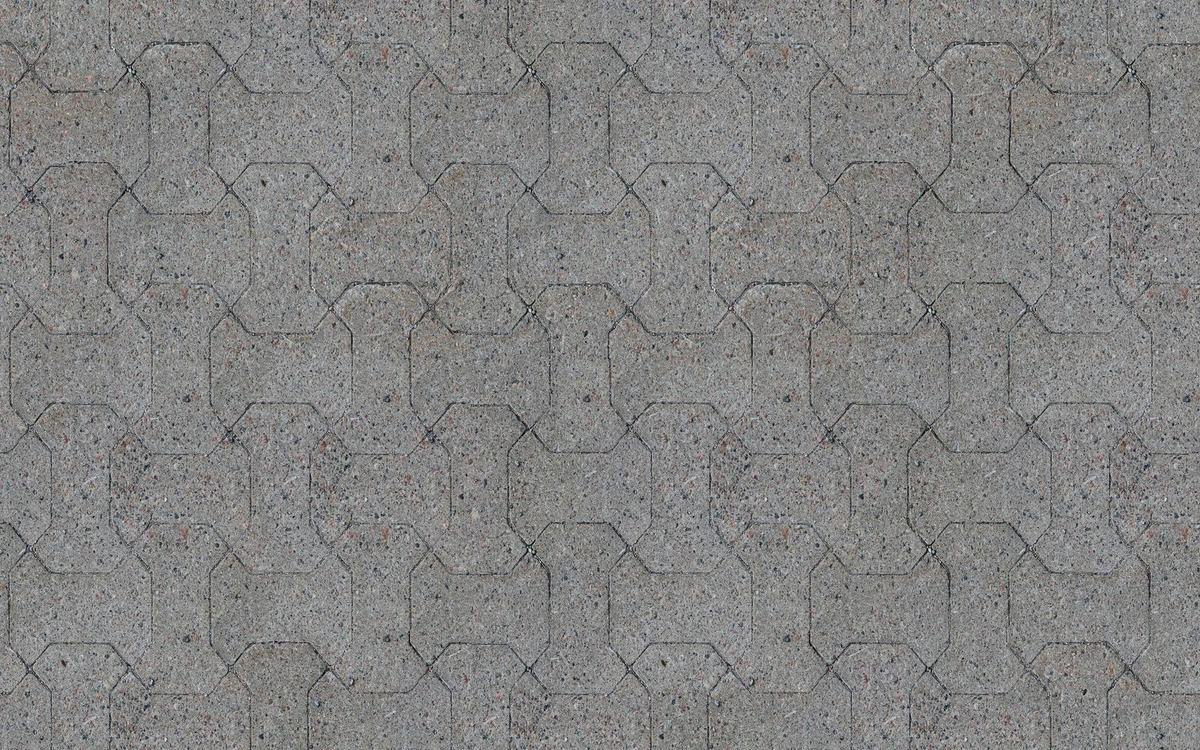
Concrete slabs carry a reputation earned by grey council-yard flags from the 1970s, and it is out of date. Today's pressed slabs come through-coloured, riven to mimic split stone or smooth-faced for a contemporary look, in sizes that mix into a random pattern. On a big area the saving against natural stone is real: a 40 square metre terrace in slabs can cost less than 25 square metres in porcelain. For a rental property, a utility area, a bin standing or a large family garden that needs covering now rather than perfectly, this is the honest choice.
What the price covers
- Dig out and cart away: excavation to the depth the build-up needs, spoil removed, not spread behind the shed.
- A proper sub-base: compacted MOT type 1. A cheap slab patio still needs the same foundation as an expensive one, and skipping it is the reason budget patios sink.
- Bedded on mortar: a full wet bed rather than five dabs, which is what stops corners rocking a year later.
- Falls set out: the surface pitched away from the house so rainwater leaves rather than pools.
- Cut and pointed: tidy cuts at wall lines and around drains, joints filled and finished.
Where slabs are the right call
Large gardens are the obvious case. Plenty of the postwar semis in Billingham, Thornaby and Berwick Hills have long rear gardens where covering a generous area matters more than the finish on any one metre of it. Side paths, shed and greenhouse bases, oil tank standings and bin areas are all slab work by default. And on a rental or a house being prepared for sale, a clean, level, well drained slab terrace does the job that a premium surface would not repay.
The honest limitations
Concrete is porous and it will weather. Expect some fading of the strongest colours over the years, algae on a shaded north-facing garden, and the occasional chipped corner from a dropped tool. Cheaper slabs are thinner and more prone to cracking if a mower or a car crosses them, so a driveway edge or a vehicle crossing needs a heavier duty product. None of that is a reason to avoid slabs, it is a reason to buy a decent slab rather than the cheapest pallet in the yard.
Making the budget go further
Two moves get the most out of a slab budget. First, spend the saving on the base rather than the surface, because the base is what decides whether the patio still looks laid in eight years. Second, use a small run of a better material where it shows: a stone or porcelain band at the back door, or a brick edging course, lifts a large slab area for very little. The cost guide works through the sums, and edging and low walls is often what turns a plain terrace into a finished garden.